
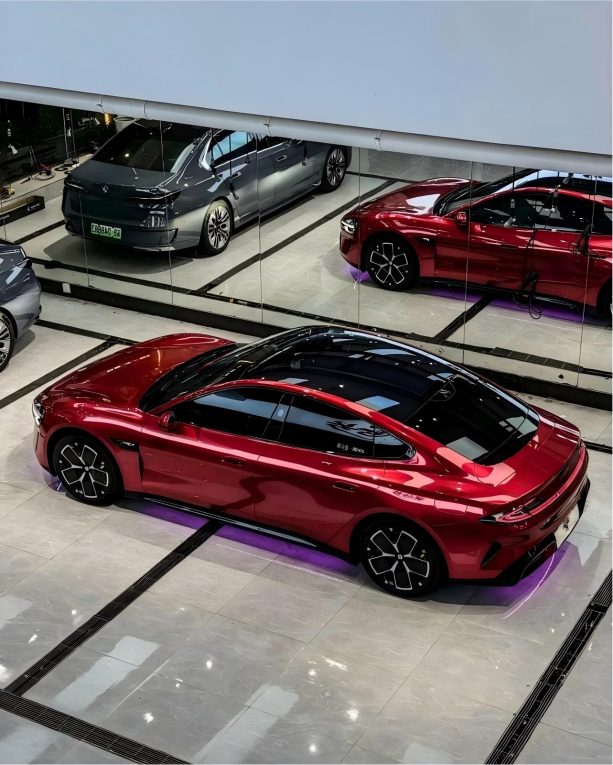
With the accelerated global energy transition, China’s electric vehicle industry is experiencing unprecedented development opportunities. This article will delve into the rise of China’s electric vehicle industry on the global stage, analyze its position in the international competitive landscape, and look forward to futuer trends and challenges.
China’s Electric Vehicle Policy Overview
The Chinese government’s support for the electric vehicle industry is manifested in multiple aspects, including substantial purchase subsidies, tax incentives, and the construction of charging facilities. These policies not only reduce the cost of purchasing for consumers but also promote the perfection of the industrial chain. At the same time, for enterprises researching new energy technologies, the government provides financial support and projetc support, accelerating technological innovation and product iteration. In addition, China actively promotes the popularization of charging stations to ensure the convenience of electric vehicles, laying a solid foundation for the widespread adoption of electric vehicles.
The electric vehicle market is growing rapidly.
The Chinese electric vehicle market has seen rapid development with sales continually surging. Thanks to strong government support and the growing consumer awareness of environmental protection, major brands have been actively positioning themselves. Data shows that China’s electric vehicle sales account for one-third of the global market. Local brands such as BYD, NIO, and Xpeng, with their innovative technology and products, are engaging in fierce competition with international giants like Tesla and BMW. The market is characterized by diversification trends, ranging from urban commuting vehicles to high-end luxury models, offering consumers a wide range of choices. With the improvement of charging infrastructure and continuous technological breakthroughs, the Chinese electric vehicle market is expected to maintain strong growth momentum.
Global competitive landscape analysis
Under the backdrop of globalization, China’s electric vehicle industry is experiencing rapid growth. Local brands such as BYD, NIO, and Xpeng are making a name for themselves in the global market, competing fiercely with international giants like Tesla and BMW. Here are several key points regarding China’s electric vehicle industry in the global competitive landscape:
- Rise of Local Brands: Chinese brands are capturing a place in the global market with technological innovation and cost-performance advantages. BYD’s battery technology, and the intelligent configurations of NIO and Xpeng, are attracting global consumer attention.
- Market Diversification: The Chinese electric vehicle market is no longer confined to domestic territory; instead, it is actively expanding into overseas markets. Brands like Geely and Great Wall have also joined the internationalization trend, establishing a presence in regions such as Europe and North America.
- Global Supply Chain Layout: Chinese electric vehicle companies are actively laying out global supply chains, establishing cooperative relationships with suppliers around the world to reduce costs and improve efficiency.
- Cooperation and Competition in International Relations: In the wave of globalization, Chinese electric vehicle companies are engaging in joint ventures, technical exchanges, and other forms of cooperation with international partners to jointly develop new technologies, while also seeking breakthroughs in competition.
- Policy Support and Challenges: The Chinese government continues to introduce policies to support the development of the electric vehicle industry, but global trade protectionism and adjustments to environmental regulations present challenges for Chinese brands.
Future Trends and Challenges
Under the backdrop of globalization, China’s electric vehicle industry is facing unprecedented development opportunities. The following is a specific analysis of future trends and challenges:
With the continuous advancement of technology, the range and charging speed of electric vehicles have significantly improved. Intelligence and connectivity are becoming new trends, and future electric vehicles will place more emphasis on user experience and autonomous driving technology. At the same time, the decline in battery costs and the stability of raw material supply are key factors driving the continuous development of the industry.
However, facing international competition, Chinese brands need to address challenges such as intellectual property protection and adaptation to international standards. Globally, the support for new energy vehicles varies, and Chinese brands need to strengthen their international market layout and enhance brand influence. In addition, stricter environmental regulations bring both new development opportunities and challenges to the industry.